


“Bad nail condition” often has an infectious and “fungal” nature.Doctors call this collective disease, which has a long list of names and surnames of parasitic fungi, onychomycosis.This pathology has become increasingly common in recent years.And anyone can “get” nail fungus as many times as they want.Therefore, if you notice “oddities” in the appearance of your nails, don’t put off solving this problem for later.In the early stages of nail fungus development, the simplest procedures can save you.And advanced forms will require a serious mobilization of all our resources, including materials.
Causes and prevention of nail fungus (onychomycosis)
Where does nail fungus come from and how to get rid of it?– Of course, it’s worth asking this question before the problem becomes obvious.For example, don't go barefoot in public baths, swimming pools or even beaches.Regardless of what may be said about the benefits of “foot massage” as a result of a joyful run in the sand, remember that, in addition to you, millions of small fungi that sleep and see your feet as a safe haven will also be happy with this massaging run.
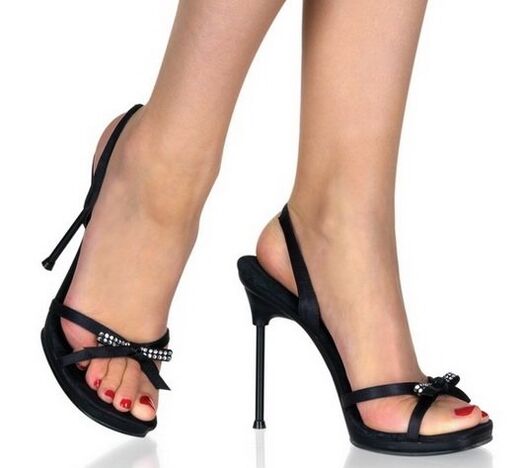
But not only walking barefoot or wearing someone else's shoes can provoke the appearance of fungus on the feet, but also the tight and uncomfortable shoes themselves, in which the feet sweat.Therefore, when choosing footwear (especially summer footwear), give preference to natural materials, comfort and ventilation.
Anyone can become infected with nail fungus.And you don't even understand where exactly.For example, it’s not a good idea to go for a pedicure or try on “guest” slippers.
Symptoms of nail fungus (onychomycosis)
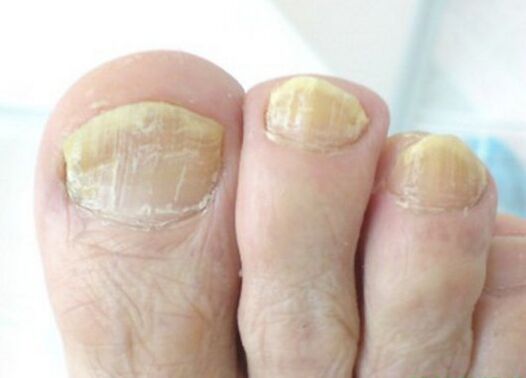
Foot fungus (ringworm) is a lesion of the skin and nails that can develop as a result of an infection with fungal bacteria.The parasite that causes foot fungus most frequently invades the skin of the interdigital folds of the feet.The first symptom of foot fungus is intense itching (usually between the toes), then the skin becomes red and very dry, the nail plate becomes yellow and rough.With nail fungus, in addition to the change in color and deformation of the nail, the nail bed also suffers, the phalanx of the finger swells, hurts and sometimes even watering wounds appear.
Nail fungus (onychomycosis) can be a sign of danger
It would be nice to go to a specialist and not have to deal with treatment for who knows what.Here it is worth remembering that often the persistent course of mycoses on the legs accompanies serious diseases such as diabetes mellitus, endarteritis obliterans, etc.
Treatment of nail fungus (onychomycosis)
Foot fungus is treated by a dermatologist who prescribes systemic and local antifungal medications.
Mushrooms are those rare organisms that have survived almost every disaster on this planet.
Let it be known that until recently, the treatment of advanced forms of fungal nail infection consisted of... removing the nail plate.However, this was not a radical solution to the problem, because the young nail grows back affected - sometimes the fungus safely settles in the growth zone of the nail.
However, let's not jump to conclusions.Fungi are still living microorganisms.And, although accessing medicines to diseased tissues is quite complicated, the pharmaceutical market is full of offers of help.
In general, all medicines against nail fungus can be divided into two large groups - for internal use (tablets, capsules, etc.) and for external use (varnishes, ointments, pastes, etc.).
It appears that the issue is resolved and does not require additional recommendations.If your nails turn yellow, run to the pharmacy, buy the medicine you saw in the commercial that night and that's it.Just along these lines I would like to remind you of another banal truth - the disease is not local.No matter what happens to us, the whole body is sick.
It is clear that early-noticed changes in the nail plate can be treated locally with various types of antiseptics.Within reasonable limits, all remedies are good here - baths from a strong decoction of celandine or sea salt, compresses with a 10% alcohol solution of iodine, with finely grated onion, etc.
It would be appropriate to recall tea tree oil, which has unique antimicrobial properties.However, check all essential oils for individual sensitivity!If there are no restrictions on this side, tea tree oil compresses may be sufficient.
Another wonderful folk remedy for nail fungus is wild parsley tincture.which is able to penetrate deep into the affected tissue, which is necessary in our case.Unfortunately, you cannot buy it in pharmacies.Therefore, if possible, prepare this plant yourself.It needs to be crushed and compacted tightly in a glass container.Fill with vodka to the top and leave for 5 to 7 days in a warm, dark place.Soak a cotton swab in this tincture, apply it to the sore spot, covering it with a piece of cellophane from a cotton swab dipped in the tincture, as well as plastic wrap.Apply a bandage with this structure to the affected area, for example, at night (if it is not possible to do this at another time).Of course, you can't do this with just one procedure, but the effect is simply incredible!
At any stage of nail fungus, take vitamins (not only pharmacy ones, but also natural ones!).They strengthen the immune system, which means they help fight onychomycosis.
Nail fungus is dangerous!
In the early stages of nail fungus, our immune system is able to fight the infection at the site of its invasion.But it turns out that the forces are unequal!And then not a single “famous” ointment can solve the problem alone.Fungi release toxins, which our lymphatic flow successfully distributes far beyond the visible lesion.
Therefore, if possible, do not delay visiting your doctor!Especially after an unsuccessful attempt to get rid of foot fungus on your own.This is a sign that treatment must be comprehensive, including specific antifungal agents and medications that regulate the functions of the immune system.Not to mention the treatment of primary diseases, if any.
Prevention of fungal diseases of the feet consists in maintaining personal hygiene (especially in public places - in the pool, on the beach), as well as wearing comfortable shoes made of natural materials and airing them regularly.